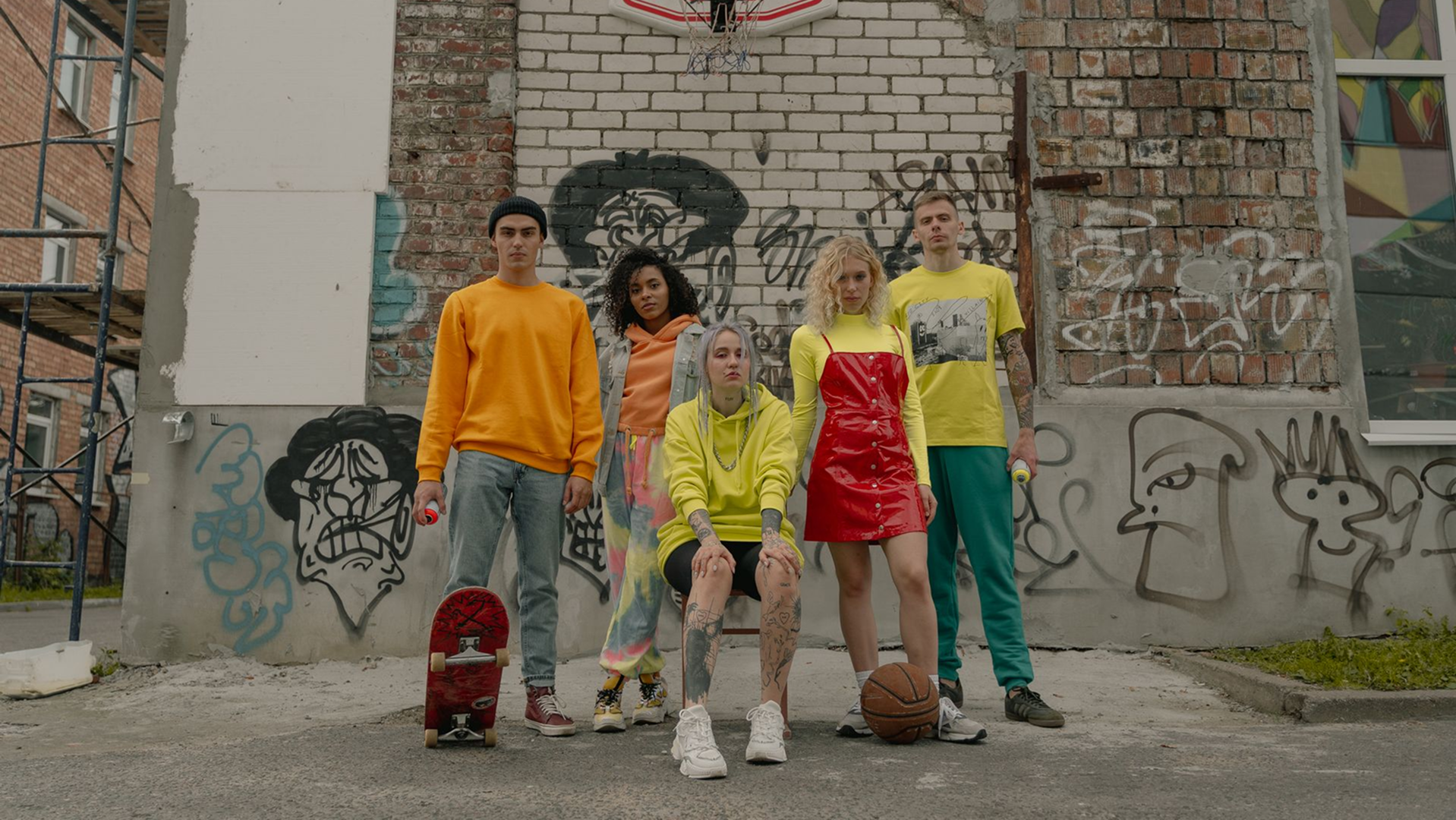

Fashion has always been a site of identity negotiation. What is shifting now is not the impulse, but the vocabulary, and the commercial pressure that comes with it. For a generation that grew up treating gender as a spectrum rather than a binary, the question is no longer whether brands should respond. It is whether they can do so without embarrassing themselves.
The data is unambiguous: around 50% of Gen Z consumers globally have purchased fashion outside of their gender identity, and approximately 70% express interest in buying gender-fluid fashion in the future. By 2016, a study from Wunderman Thompson found that 56% of Gen Z consumers already shopped for clothes across genders, well before most brand strategies caught up with that reality. This is not an emerging signal. It is a settled shift that the industry has been slow to operationalize.
The binary was always a design choice
Gendered fashion categories are not natural. They are infrastructural, built into retail layouts, sizing systems, campaign briefs, and buying calendars. The fact that they feel inevitable is precisely the problem. The roots of gender-inclusive fashion run deep, from unisex clothing popularized by the hippie subculture and women's liberation movements of the 1960s and 70s to the androgynous style of David Bowie and Annie Lennox, to the Japanese unisex fashion movement. Each of those moments challenged the same assumption: that clothing should sort people before it dresses them.
What Gen Z has done is make that challenge economically legible. Gen Z is the largest generation ever, at 25% of the global population, with an estimated purchasing power of $360 billion in the US alone. When a generation this large treats gender categories as optional, the fashion industry has two choices: adapt the infrastructure or keep losing relevance.
The unisex trap
Here is where many brands have gone wrong. The instinct, when confronted with gender fluidity, has been to create a separate "unisex" category, usually a smaller assortment of oversized, minimalist, deliberately neutral pieces, and treat that as the answer. A number of commentators have criticised these attempts for being "dull" or "baggy" and lacking in authenticity. The problem is structural: a unisex capsule added to a binary catalogue is not inclusion. It is a footnote.
Real gender-inclusive design means rethinking the system, not appending to it. It means sizing logic that works across body types without mapping to gender, campaign casting that does not require explanation, and retail experiences where the organisation principle is style or function rather than who the brand has decided the customer is.
Representation is not casting
There is also a persistent confusion between representation and casting. Adding non-binary or gender-nonconforming models to a campaign is a start, but it is not a strategy. Inclusive brands enjoy up to 83% higher consumer preference and see a long-term sales boost of over 16%, according to global studies by the Unstereotype Alliance. That premium, however, accrues to brands whose inclusion is structural, not cosmetic.
The brands doing this well, Telfar, Palomo Spain, Eckhaus Latta, are not running "inclusive campaigns." They are building product and identity from a different set of assumptions about who clothing is for. Brands like Telfar, Eckhaus Latta, and The Phluid Project are thriving by making inclusive design their default rather than a niche. The distinction matters because consumers, particularly younger ones, are very good at telling the difference between a value and a marketing decision.
The creative opportunity
Beyond the equity argument, there is a craft one. Designing without the binary as a crutch is harder and, when done well, more interesting. It demands specificity about fit, material, and silhouette rather than relying on gendered shorthand. It produces garments that have to work on their own terms.
The brands that will build lasting relevance in this space are not the ones that add a pronoun field to their checkout flow. They are the ones that treat gender fluidity not as a trend to acknowledge but as a creative constraint that makes the work better, and a commercial reality that was never really optional.
References
- Business of Fashion & McKinsey. (2023). The State of Fashion 2023: Gender-Fluid Fashion and Gen Z Consumers. Business of Fashion. Link
- Business of Fashion. (2022). What Fashion Can Learn From Gen Z's Approach to Gender. Business of Fashion. Link
- Fashion Index. (2025). Breaking the Binary: The Rise of Gender-Neutral Fashion. Fashion Index. Link
- Unstereotype Alliance / UN Women. (2023). Unstereotype Alliance Impact Report. UN Women. Link