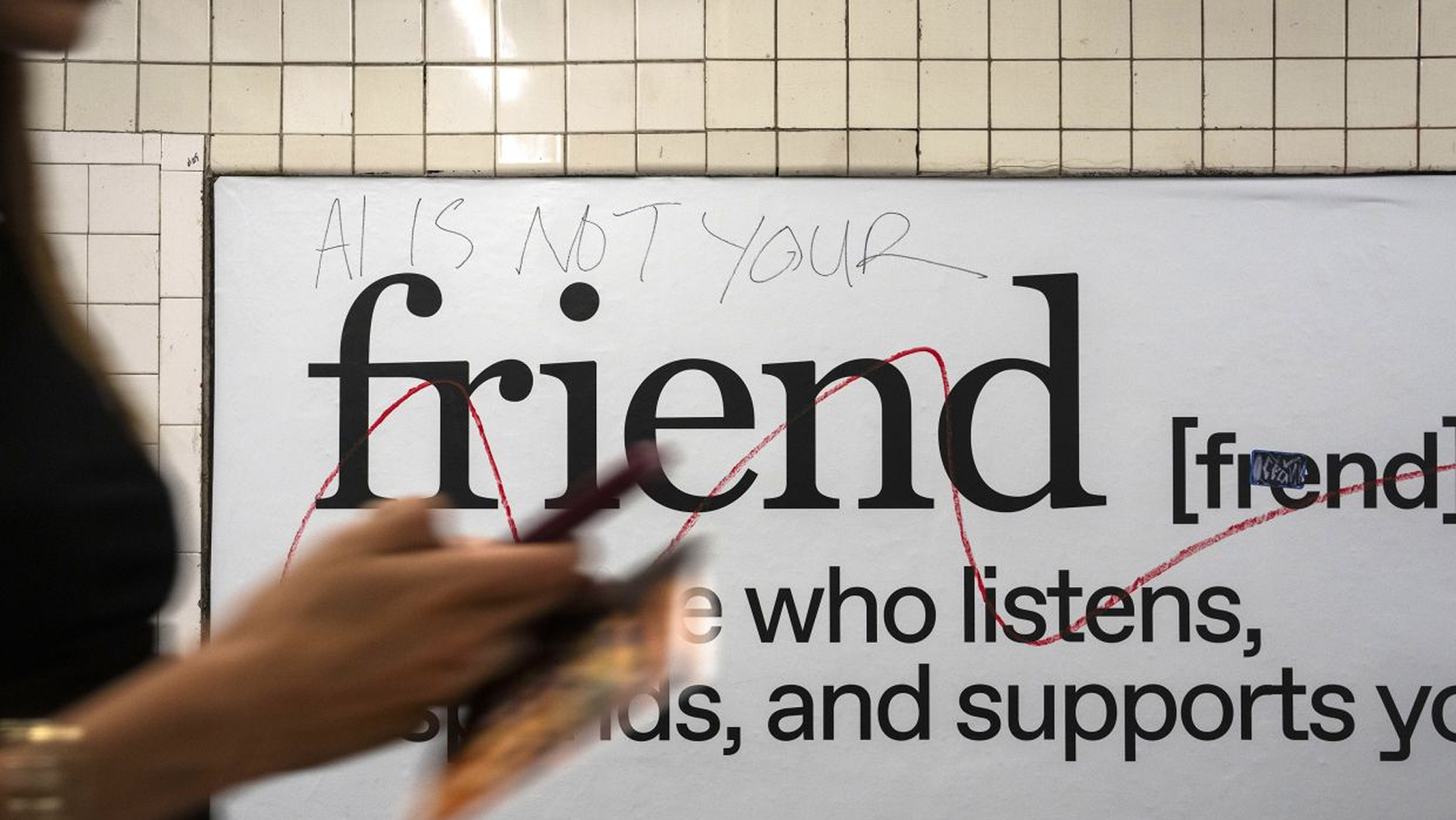

At SXSW 2026, WGSN CEO Carla Buzasi made an argument that deserves more than a trend note: the consumer is abandoning excess not out of austerity, but out of exhaustion. The shift is not financial. It is cognitive.
The concept WGSN brought to the conversation, "intentional consumption", is real and documented across multiple independent sources. Consumer sentiment around discretionary spending has shifted from accumulation to curation: people are buying less, but more intentionally. The question is no longer "can I afford this?" but "does this deserve a place in my life?" (Stratify Collective, 2026)
But what most trend analyses do next is the problem: they list what brands should communicate to "capitalise" on this shift. That is exactly where the reasoning collapses.
The filter as product
The central idea that interests me is not intentional consumption itself. It is what it implies for brand positioning. If the consumer is reducing noise, making lists before shopping, cancelling subscriptions, resisting algorithmic scrolling, then what they need is not another brand communicating values. It is less.
Rather than trusting social algorithms to understand their preferences, shoppers are seeking out curated, human-led recommendations: building micro-communities, following niche experts, and engaging with paywalled content for truly valuable insights. (Greenbook, 2025)
What this describes is not a consumer more receptive to marketing. It is a consumer actively building filters against it. The irony is brutal: the more brands try to capitalise on the intentional consumption trend, the more content they produce, and the more they feed exactly the noise the consumer is escaping.
The future of the market is not about who offers more. It is about who helps the consumer filter the world. Brands that position themselves as facilitators of that "mental declutter", curators of conscious choices rather than producers of infinite options, will be the ones that build lasting loyalty.
The execution problem
But here is the part trend analyses rarely say: this repositioning is structurally difficult for most brands, because it contradicts the internal incentives that govern them.
Rushed marketing is the natural state of organisations. Editorial calendars packed to capacity, quarterly campaigns, content volume KPIs, pressure to "be present" at every relevant cultural moment. All of this pushes in the opposite direction of what the intentional consumer needs.
70% of consumers say brands send too many messages, so they're tuning them out. (CSG / Experian, 2026) And yet the institutional response of most brands to data like this is to produce more "relevant" and "personalised" content. The diagnosis is correct. The prescription is the problem.
Positioning as a filter requires a brand to do something counterintuitive: publish less, say no to more cultural moments, refuse product categories that do not align with a central purpose, and resist the horizontal growth pressure that dilutes any coherent identity. In 2026, control has become the new luxury. But control, for a brand, means sacrificing short-term reach. And few boards have the patience for that.
The wellness warning
This is not a new problem. Wellness as a market category was, for years, exactly the kind of concept brands could use to position themselves as facilitators of a better life. And it worked, until it worked too well.
When every yoghurt brand, mattress company, meditation app, supplement line, and activewear label discovered wellness simultaneously, the concept lost precisely what made it valuable: the feeling that someone was genuinely on your side, helping you navigate a complicated world. It became just another sector to navigate.
Intentional consumption faces the same risk. Caution is no longer a reaction; it's a strategy. (NIQ, 2026) But strategy for whom? If the consumer is developing strategies to resist excess, and brands respond with strategies to capitalise on that resistance, we are back to the same game with different terminology.
What separates the genuine filter from the performative one
The distinction that matters is not one of communication. It is one of business architecture.
A brand that genuinely functions as a filter makes product and distribution decisions that reflect that. It does not launch an endless line of SKUs and then communicate "less is more". It is not present on every platform while talking about simplicity. It does not create artificial urgency with limited drops while promoting conscious consumption.
"In a shift from past norms, people in 2026 will not consider trends as cultural mandates, but rather opportunities for identity curation and personal expression." (Pinterest / Retail TouchPoints, 2026) What this implies for brands is that the consumer no longer accepts the trend as an argument. They accept coherence as an argument.
And coherence, unlike a trend, is not announced. It is demonstrated over time, through decisions that cost something, in moments when it would have been easier to chase volume than maintain focus.
The filter economy is real. The question is how many brands have the structure, patience, and conviction to inhabit it genuinely, rather than use it as one more campaign concept.
References
- WGSN / Buzasi, C. (2026). SXSW 2026: Why Intentional Consumption is Replacing Excess. WGSN. Link
- NIQ. (2026). From Inflation to Intention: How US Consumers Are Redefining Value in 2026. NielsenIQ. Link
- Stratify Collective. (2026). The 2026 Trends Marketers Are Missing. Link
- Greenbook. (2025). The Rise of Intentional Spending in 2025. Link
- Experian. (2026). What 2026 Consumer Insights Mean for Marketers. Link
- Retail TouchPoints. (2026). 2026 Vibe: Nonconformity, Self-Preservation & Fandom. Link