Subcultures as brand laboratories: from niche to mainstream
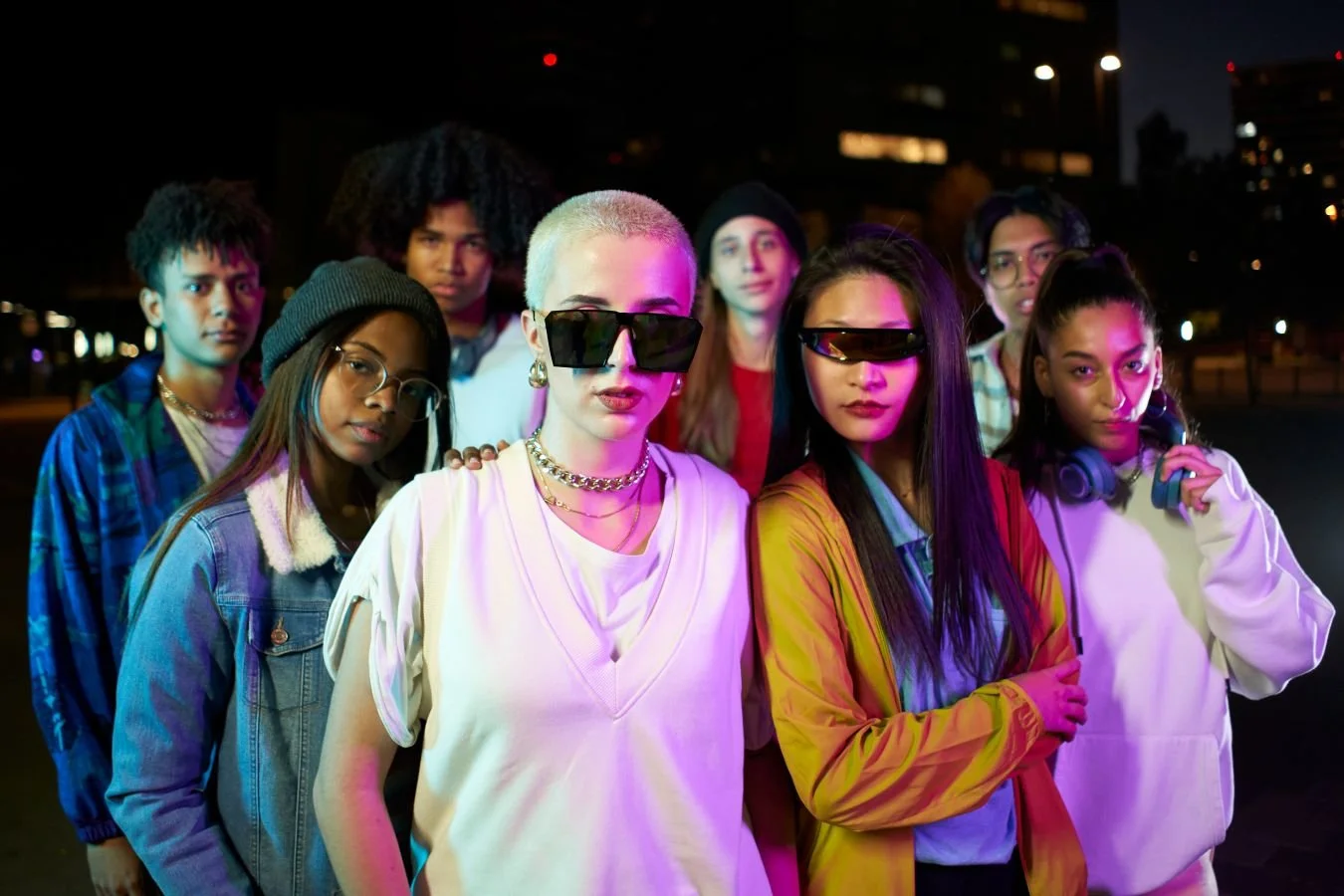
Brands love to talk about innovation as if it starts in a brainstorming room with good lighting and overpriced coffee. It usually does not. More often, innovation starts somewhere messier: in music scenes, online communities, style tribes, fandoms, queer spaces, underground sports, DIY aesthetics, gaming forums, immigrant neighborhoods, and all the other places where people create culture before strategy decks arrive to flatten it.
That is the real role of subcultures in branding. They function as cultural laboratories: spaces where new meanings, aesthetics, rituals, and consumption practices are tested before they are absorbed into the mainstream. The problem, obviously, is that once brands notice them, they tend to treat them either as inspiration mines or as pre-packaged “youth insights.” And that is where things get tacky. Subcultures are not just segments. They are engines of meaning.
A lot of marketing language still treats subcultures as niche audiences, smaller clusters of consumers with specific tastes, habits, and platforms. That is technically not wrong, but it is also painfully reductive. Subcultures are not just smaller markets inside a larger one. They are symbolic systems through which identity, belonging, distinction, and resistance are produced.
Classic subculture theory framed these formations as symbolic refusals of dominant culture, often expressed through style, music, and everyday rituals. Dick Hebdige’s foundational argument was that subcultural style is never just decorative; it communicates resistance, even when that resistance is eventually neutralized through commodification and mass circulation (Routledge). In plain English: what looks like “just an aesthetic” is often a coded social position first, and a trend later.
That matters for branding because brands tend to notice subcultures only after they become legible. By then, the “signal” has often already begun its transition from insider code to marketable asset.
From resistance to retail
There is a familiar cycle here. A subculture creates distinct codes: visual, linguistic, behavioral, sonic. These codes help members recognize each other and mark distance from the mainstream. Then media, fashion, and brands begin to circulate those codes beyond the original group. Eventually, what once signaled belonging becomes available to everyone with a credit card.
This process is central to Hebdige’s argument about incorporation: subcultures are often first treated as threatening, then aestheticized, then sold back as style (Wikipedia summary of Hebdige’s argument). Ross Haenfler’s explanation of commodification, diffusion, and defusion sharpens this nicely: diffusion spreads subcultural signs into mainstream society; defusion strips them of their original political or symbolic charge (Subcultures and Sociology).
That is basically the lifecycle of half of contemporary branding, right?
Punk becomes fashion inventory. Skateboarding becomes luxury language. Rave becomes campaign art direction. Streetwear becomes corporate uniform. Queer aesthetics become Pride-month collateral. The underground generates the heat; the mainstream monetizes the temperature.
Subcultures create value before brands create demand
One of the most useful ways to think about subcultures is not as fringe deviations from the market, but as early infrastructures of cultural value. They produce meanings, hierarchies, taste regimes, and rituals before brands formalize them into campaigns or product categories.
Consumer research has long recognized that “subcultures of consumption” are not random fandoms but structured social worlds organized around shared commitment, ethos, and symbolic practices. The classic Journal of Consumer Research study on new bikers showed that consumption-centered subcultures have their own values, rituals, and status systems, existing in a symbiotic but tense relationship with marketing institutions (Journal of Consumer Research).
That last bit is key: symbiotic but tense. Brands need subcultures because subcultures generate credibility, novelty, and emotional charge. But subcultures also resist brands because the moment a code is overexposed, it loses what made it socially valuable in the first place. This is why cool can never be manufactured cleanly. It has to arrive with some friction.
The mainstream now works like a delayed repost
In older cultural theory, the movement from subculture to mainstream could take years. Now it can take weeks, or less. Platforms compress the distance between underground experimentation and mass visibility. What once emerged through clubs, neighborhoods, magazines, record stores, and local scenes now travels through TikTok, Discord, Reddit, Instagram moodboards, and algorithmic discovery.
That acceleration does not kill subcultures. It just changes how they operate. Contemporary subcultures are more fluid, fragmented, hybrid, and platform-native, but they still function as sites of distinction and identity production. The mainstream has not disappeared so much as become a lagging effect of niche circulation. Horizon’s 2025 subculture field guide captures this well: cultural energy now moves through tightly networked communities, where ideas are tested and amplified before broader adoption (Horizon Futures). LOOP makes a similar point, arguing that trends are surface-level and fast, while subcultures shape deeper patterns of identity, creativity, and belonging (LOOP).
In other words, the mainstream is often just subculture after platform exposure and commercial cleanup. Brands do not “discover” subcultures. They arrive late.
This is where brand strategy gets delusional. Many brands still behave as though they are identifying emerging culture, when in practice they are usually witnessing the visible phase of something communities have already been living for a while. By the time a brand team says “we’re seeing a shift,” someone else has already built a language, a taste hierarchy, a meme ecology, and probably merch.
Subcultures are not blank canvases waiting for brand partnership. They have gatekeepers, internal politics, norms of authenticity, and forms of what Sarah Thornton famously called subcultural capital, the status that comes from knowing, doing, and being “in” before others do. That logic still matters, especially in fashion, music, nightlife, gaming, and internet-native identity scenes. Even when a code becomes visible, not everyone is allowed to wear it the same way without consequences. This is why brand entry into subcultural space is always delicate. It is not just a matter of visual fluency. It is a matter of legitimacy.
The strategic fantasy of “tapping into culture”
Marketing people love the phrase “tap into culture” because it sounds dynamic and harmless. But culture is not a socket, and subcultures are not moodboards. If brands want proximity to subcultural energy, they have to understand at least three uncomfortable truths:
First: subcultures are not waiting for validation from brands.
Second: visibility can damage the social value of a subcultural code.
Third: what is meaningful inside a subculture may become empty once scaled.
This is the paradox. Brands look to subcultures because they want freshness, but scale is precisely what can destroy freshness. The more a code circulates, the less distinction it offers. What begins as cultural specificity becomes generic styling. What begins as lived meaning becomes campaign shorthand.
That is why so many brands feel culturally “aware” and still land as lifeless. They borrow the look without the social texture. They reproduce the shell after the core has already moved on. From niche to mainstream is not just diffusion. It is translation.
When subcultural forms move into the mainstream, they do not arrive intact. They are translated. Some elements survive; others are softened, sanitized, aestheticized, or detached from their original context. The translation is commercial, but it is also ideological.
A skate shoe inside skate culture means one thing; on a luxury runway, another. A queer ballroom reference inside queer nightlife carries one social history; inside a beauty campaign, another. A workwear silhouette inside a labor-coded subculture is not the same as the same silhouette sold as “elevated utility” to affluent urban consumers. So when brands move subcultural signs into mainstream circulation, they are not merely borrowing aesthetics. They are reassigning meaning.
And yes, sometimes that creates innovation. Sometimes it creates visibility. Sometimes it opens new cultural conversations. But let’s not romanticize it: a lot of the time, it is just extraction with better casting.
What smart brands actually do
The brands that handle subcultures well usually understand one thing: they are not there to colonize the space. They are there to participate with discipline. This means:
listening before translating;
partnering with actual community members, not just adjacent influencers;
understanding the symbolic weight of codes before reproducing them;
compensating originators materially;
and accepting that not every cultural space needs a brand presence.
It also means knowing the difference between influence and ownership. A subculture can influence mainstream branding without becoming brand property. In fact, the healthiest relationship is often one where brands act less like authors and more like respectful distributors, enablers, sponsors, or collaborators. Anything more possessive usually ends in embarrassment.
The real lesson
Subcultures matter to branding because they are where culture rehearses the future. They are spaces where people test new aesthetics, values, affiliations, and forms of consumption before those forms become normalized. They are not trend factories in the shallow sense; they are social labs where meaning is prototyped.
But once brands enter the equation, the stakes change. Visibility increases. Meanings shift. Value gets redistributed. And the line between recognition and exploitation gets very thin very fast.
So yes, subcultures are brand laboratories. But they are not for brands. They are for the people building identity and community inside them. Brands only benefit when they remember they are guests.
References
Hebdige, D. (1979). Subculture: The Meaning of Style. Routledge. Link
Schouten, J. W., & McAlexander, J. H. (1995). Subcultures of Consumption: An Ethnography of the New Bikers. Journal of Consumer Research. Link
Haenfler, R. (2014). Subcultures and Sociology: Commodification, Diffusion, and Defusion. Grinnell College. Link
Kozinets, R. V. (2002). The Field Behind the Screen: Using Netnography for Marketing Research in Online Communities. Journal of Marketing Research. Link
Thornton, S. (1996). Club Cultures: Music, Media, and Subcultural Capital. Wesleyan University Press. Link
Horizon Media. (2025). The 2025 Subculture Field Guide: A Marketer’s Guide. Horizon Futures. Link