When brands become memes (and why it works)
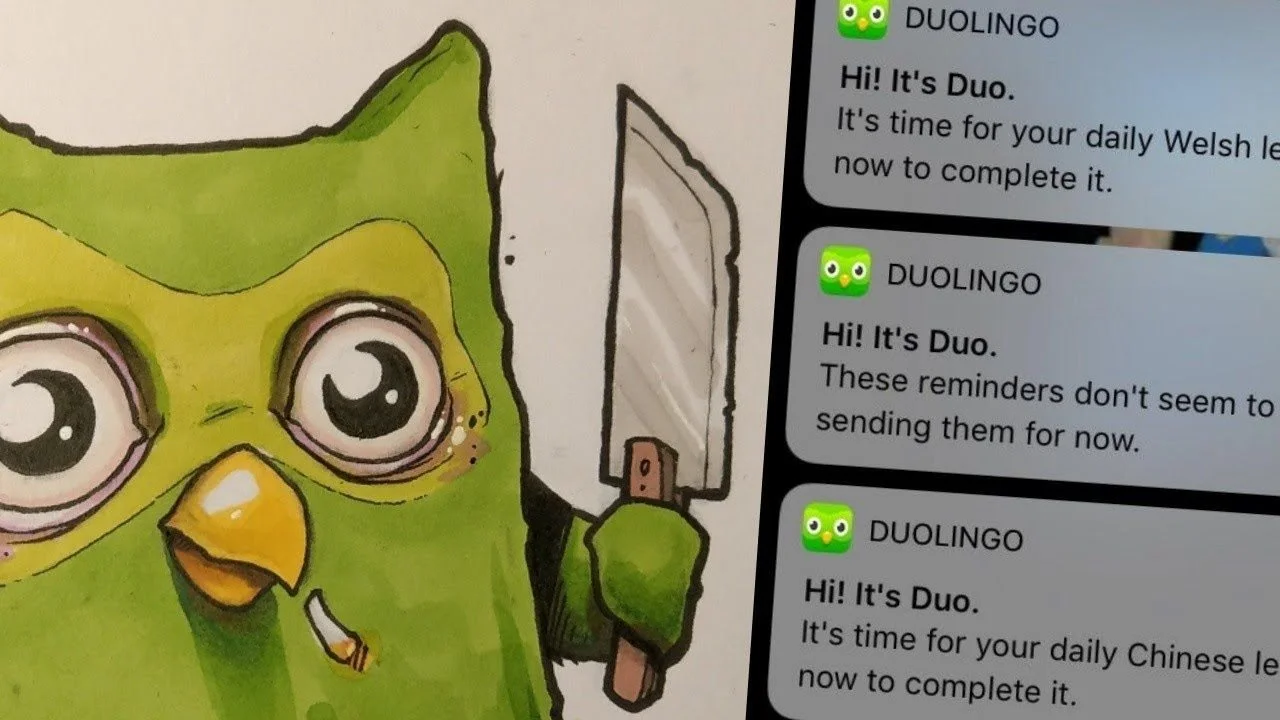
In 2025, a new kind of branding currency is ruling the internet: memes. But not the awkward, corporate ones. We’re talking about brands that have become part of internet culture, not through control, but through letting go.
Think Duolingo’s unhinged TikToks, Ryanair’s savage replies, or the bizarre (yet brilliant) way Slim Jim talks to its “Longbois.” These brands didn’t follow a playbook, they rewrote it with chaos, relatability, and a heavy dose of self-awareness.
But why does this even work?
1. Memes = cultural currency
In a world overloaded with content, memes act like social glue. They spread fast, carry emotions, and say, “I get you.” When a brand becomes memeable, it’s basically being invited into the group chat. “Memes are about participation, not consumption.” — Limor Shifman, Memes in Digital Culture (MIT Press)
2. They flatten the power dynamic
Traditional ads talk at you. Memes talk with you. When a brand leans into the language of the internet, like irony, exaggeration, absurdity, it becomes less of an institution and more of a friend who’s in on the joke.
3. They embrace imperfection
Perfect grids, flawless carousels, and hyper-curated feeds? Cool. But memes? Messy, chaotic, and human. Which is exactly why they feel so refreshing. When a brand lets go of polish, it gains authenticity. In their 2023 report, GWI found that Gen Z prefers "imperfect but real" brand content over polished ads, a 21% increase over previous years. (GlobalWebIndex, Gen Z Media Consumption Report, 2023)
4. They fuel engagement without the budget
A good meme can do what a $20k campaign can't: make people care for free. They’re born to be shared, remixed, reinterpreted, which means your audience does half the marketing work for you. "Meme marketing taps into the attention economy by creating shareable units of culture."
— Jonah Berger, Contagious: Why Things Catch On.
5. They build a brand that feels alive
Brands like Wendy’s, Netflix, and Duolingo aren't just active, they're reactive. They comment on trends in real time, laugh at themselves, and make users feel seen. That level of cultural responsiveness? Priceless.
In fact, a 2024 study from Sprout Social found that brands with “relatable” personalities had 2.5x higher engagement rates on average.
But…
Getting memes right isn’t about “trying to be funny.” It’s about understanding the platform, the audience, and the moment. Nothing is more cringe than a brand forcing a joke, or worse, stealing a meme without credit.
This kind of branding needs:
Real-time responsiveness
A strong, consistent personality
Cultural literacy (aka, someone young and very online on the team)
A thick skin (because the internet will roast you if you mess it up)
The brands winning attention today aren't the ones shouting the loudest. They're the ones listening, reacting, remixing, and sometimes, letting their mascot go feral on TikTok. In the attention economy, relatability beats perfection. And memes? They're the new love language.
References
Shifman, L. (2013). Memes in Digital Culture. MIT Press.
Berger, J. (2013). Contagious: Why Things Catch On. Simon & Schuster.
GlobalWebIndex. (2023). Gen Z Media Consumption Report.
Sprout Social. (2024). The Power of Brand Personality Report.
McClure, T. (2022). “How Duolingo Went Viral on TikTok by Acting Totally Unhinged.” The Verge.
Esch, M. (2023). “When a Brand Tweets Like a Teenager: Meme Strategy Explained.” Marketing Week.