Academic literature on the tourism impact of FIFA World Cup events has focused predominantly on host nations. This paper shifts the analytical frame to non-host participating nations, examining the relationship between exceptional on-field performance and measurable increases in tourism demand.
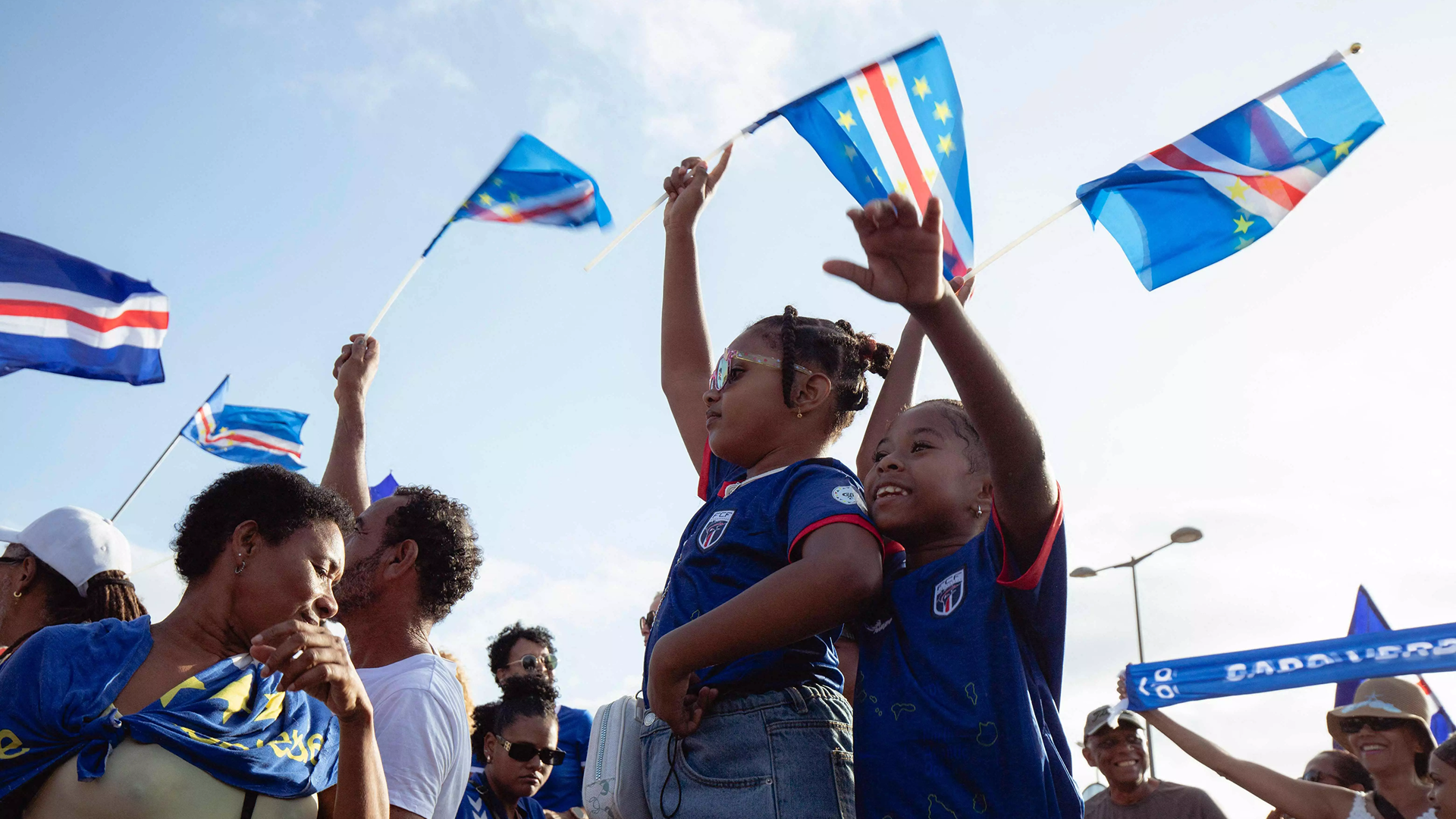
Drawing on secondary tourism statistics, platform search analytics from Skyscanner,Expedia, and TUI, and Google Trends data as a proxy for destination demand intention, this study presents a comparative analysis of three cases: Croatia following its 2018 World Cup final run, Morocco following its historic 2022 semi-final appearance, and Cabo Verde following its 2026 knockout stage qualification as the smallest country ever to reach that stage. In all three cases, a measurable surge in destination searches and, with varying temporal lags, in actual tourist arrivals is documented.
The paper proposes a Sport-Induced Destination Awareness (SIDA) model that maps the mechanism from televised exposure to search behavior to booking intent, and argues that for countries with low pre-existing destination awareness, a compelling World Cup narrative constitutes a form of nation branding that conventional tourism marketing budgets cannot replicate. Policy implications for destination management organizations in countries with emerging football programs are discussed.
Keywords: nation branding, sports tourism, place branding, FIFA World Cup, destinationawareness, tourism demand, Cabo Verde, Morocco, Croatia
Main photo: AFP Photo